
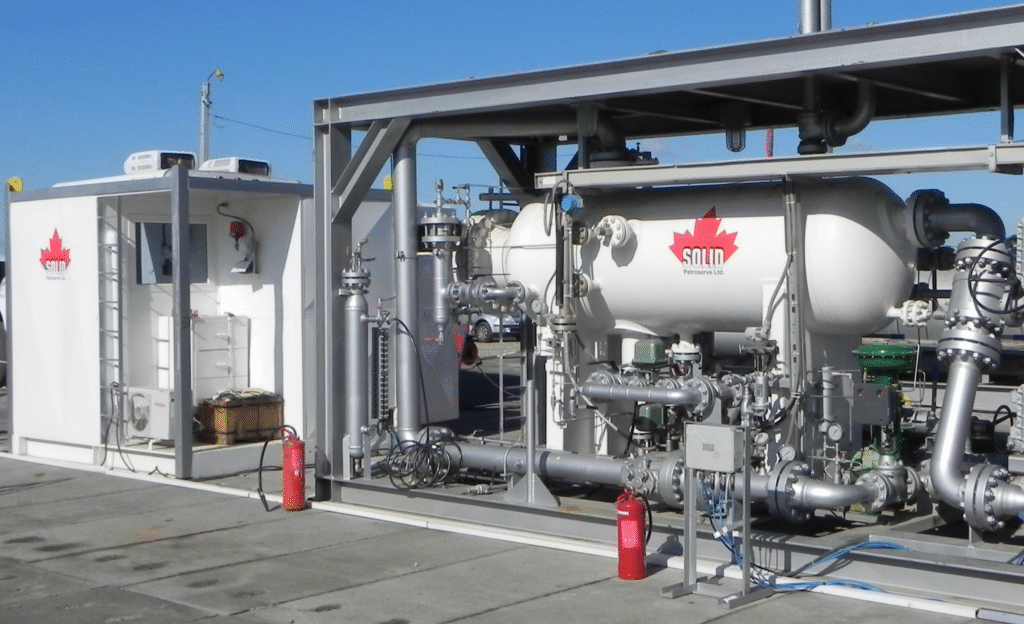
Well testing plays a critical role in understanding reservoir performance and optimizing production strategies. During these operations, engineers must monitor a wide range of parameters simultaneously — from wellhead pressure and separator levels to flow measurements and safety signals. Accurate data acquisition is therefore essential for maintaining operational control, ensuring safety, and delivering reliable test results.
As well testing operations become more complex, modern data acquisition systems are becoming a key component of successful test programs.
Why Real-Time Monitoring Matters
During a well test, conditions can change rapidly. Pressure fluctuations, flow rate changes, and equipment performance all need to be monitored continuously to maintain safe and efficient operations.
Real-time data acquisition systems provide operators with immediate visibility into these parameters. By capturing and displaying critical measurements as they occur, engineers can quickly identify deviations from expected operating conditions and respond accordingly.
This level of monitoring improves operational awareness, reduces uncertainty, and allows testing teams to make informed decisions throughout the duration of the test.
Improving Safety Through Intelligent Monitoring
Safety is one of the most important aspects of any well testing operation. Data acquisition systems play a key role in supporting safe operations by monitoring critical safety signals and alarm conditions.
Modern systems can track parameters such as pressure limits, separator levels, and emergency shutdown signals while automatically triggering alarms when conditions move outside safe operating ranges.
By providing immediate visual and audible alerts, these systems help ensure that potential issues are identified and addressed before they escalate.
Reliable Data for Engineering Analysis
In addition to real-time monitoring, accurate data recording is essential for post-test analysis. Engineers rely on well test data to evaluate reservoir performance, understand fluid behavior, and make decisions about future development strategies.
High-quality data acquisition systems record continuous measurements throughout the entire testing process, including operational parameters, alarm events, and system configuration changes.
This detailed record allows engineers to perform accurate evaluations and produce reliable reports for operators and regulatory requirements.
Engineering Innovation from the Field
At Solid Petroserve, real-world field experience has driven the development of advanced monitoring solutions designed specifically for well testing environments.
The company’s SOLIDAQ Well Test Data Acquisition System was developed in-house by Solid Petroserve’s engineering and operations teams to provide reliable monitoring, data recording, and operational visibility during well testing operations.
By integrating instrumentation monitoring, alarm management, and reporting capabilities into a single platform, SOLIDAQ helps operators track performance across the entire well test system — from wellhead measurements to separator instrumentation and safety signals.
Supporting Safer and More Efficient Well Testing Operations
Effective well testing requires accurate measurements, reliable monitoring systems, and clear operational insight. Data acquisition platforms like SOLIDAQ help bring all of these elements together, allowing operators and engineers to manage complex test operations with greater confidence.
As the industry continues to prioritize operational efficiency and safety, advanced monitoring systems will play an increasingly important role in delivering the accurate data needed to support sound engineering decisions.
Interested in learning more about Solid Petroserve’s monitoring technology?
Visit our website or contact our team to learn how the SOLIDAQ Well Test Data Acquisition System supports safe and efficient well testing operations.